
If nothing else, Charles Schwab’s annual IMPACT conference is a reminder of how dominant and entrenched the custodian is as a market leader. Six thousand advisors showed up for three days of sessions, schmoozing and dealmaking, making IMPACT by far the most consequential industry gathering.
Charles Schwab custodies $5.8 trillion of assets for over 16,000 RIAs, grabbing a remarkable two-thirds share of the custodial market. Fidelity's share has remained steady at 25 per cent and, in third-place, Pershing’s share has slipped to around seven per cent.
Schwab fortified its seemingly impregnable position by acquiring its primary competitor, TD Ameritrade, in 2020 for $26 billion. Now that the transition is complete, albeit with a few hiccups, Schwab appears stronger than ever and is flexing its muscles by beginning to charge ETF providers a 15 per cent platform fee and raising its minimum account size referrals to RIAs to $5 million, up from $500,000 just a few years ago.
Clearly, this is peak Schwab. Is any firm capable of mounting a credible challenge?
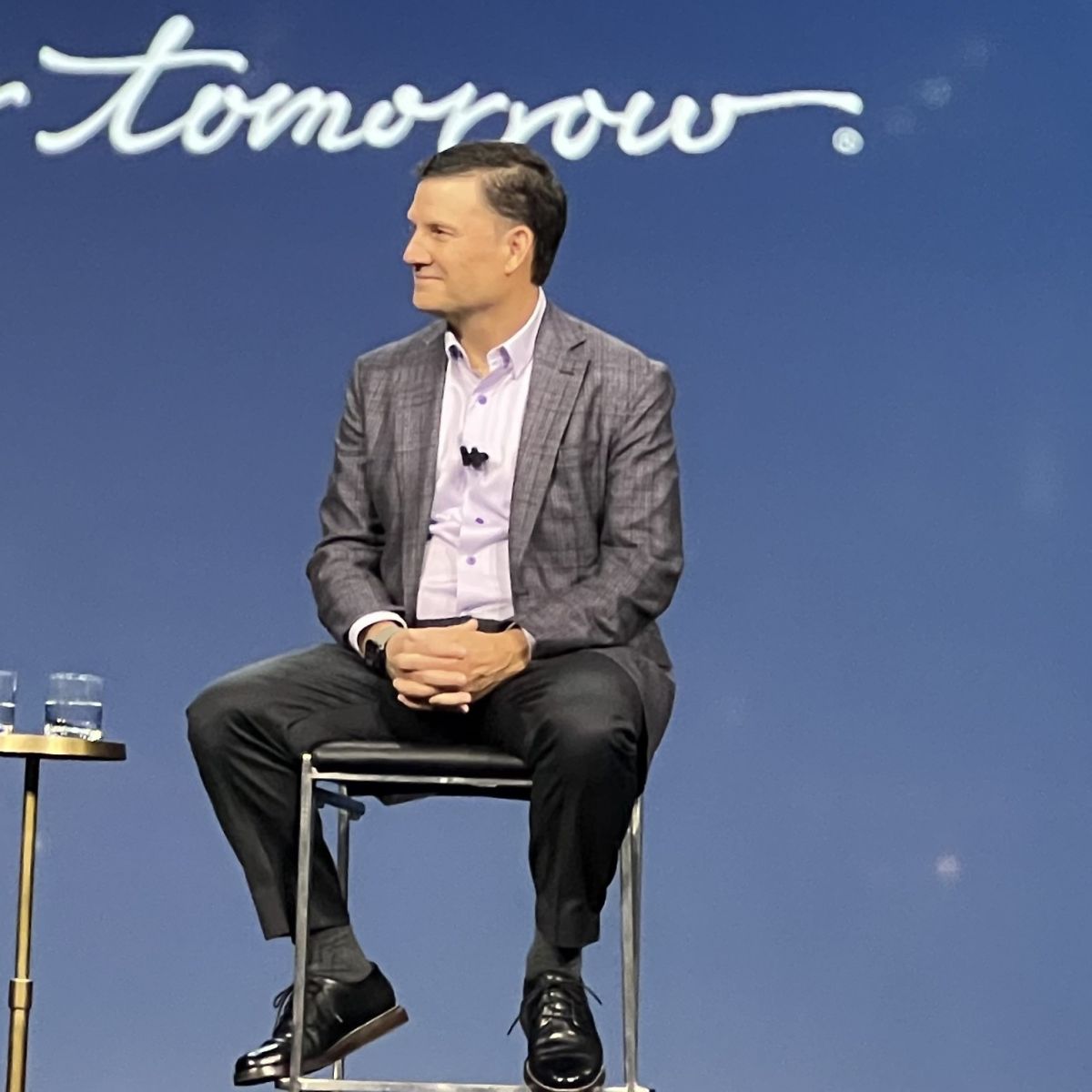
Jon Beatty , head of Schwab Advisor Services.
Entry via Altruist
Fidelity and Pershing appear to be treading water. But two new entrants, Vanguard and State Street, while they are a long way from causing any sleepless nights in Schwab’s executive suite, have definitely gotten the industry leader’s attention.
In August, Vanguard Group, one of the country’s largest fund managers, bought a majority share in Altruist, an eight-year-old custodian with a stellar reputation as a fintech and AI trailblazer.
Some see the combination of Vanguard’s resources, products and brand name and Altruist’s vaunted tech and AI expertise as a potentially formidable custodial contender.
But others note that Altruist only works with 6,500 mostly smaller RIAs and lacks the scope, scale and capabilities of a Schwab or Fidelity. “There are a lot of gaps in their offering, which is why they’ve had trouble gaining market share, particularly with larger RIA firms,” Joel Bruckenstein , president of T3 Technology, said when the Vanguard deal was announced.
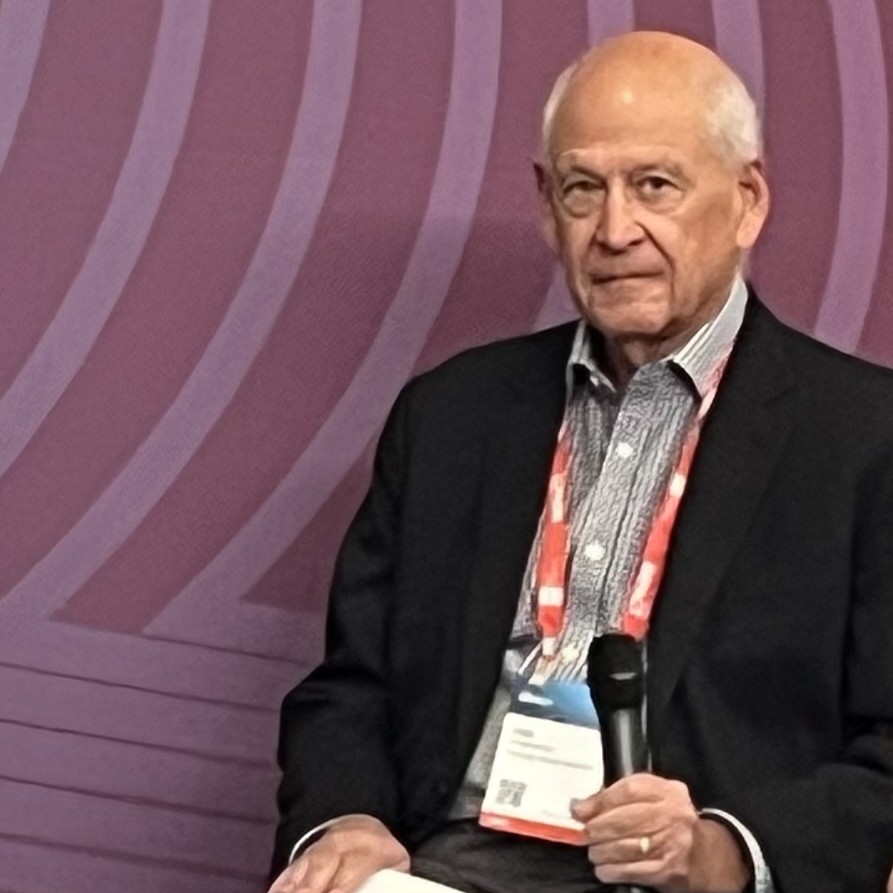
Joel Bruckenstein
What does Vanguard want?
The big question is how much money is Vanguard willing to pump into Altruist? Former Schwab executive Tim Welsh, president of Nexus Strategy, notes that Vanguard has historically been a very conservative company and thinks the asset manager may be content to have bought shelf space for its products with a niche player.
Dynasty Financial Partners CEO Shirl Penney disagrees. Penney notes that Vanguard’s CEO Salim Ramji, hired just over two years ago, comes from BlackRock, where both he and the firm were not known for being timid. Growth “is in DNA,” Penney said. “Given the size of their investment, I think has a significant ambition for the business.”
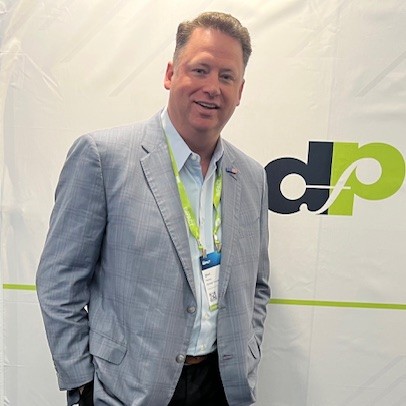
Shirl Penney
“Attractive option” or small player?
Even before Vanguard bought Altruist, AdvizrPro.com, in its annual analysis of custodians, called Altruist a “standout” among Schwab’s competitors and said the company’s “innovative solutions” made Altruist “an attractive option for forward thinking RIAs.”
But brokerage analyst Steven Chubak, managing director of Wolfe Research, said Vanguard’s purchase does not make Altruist “a meaningful threat” to Schwab. “Altruist remains a small player with limited capabilities and has seen an acceleration in RIA flows. We do not believe this deal meaningfully alters the competitive landscape.”
They’re back!
Then there’s State Street, the giant institutional asset manager that is re-entering the RIA custodial business after pulling out five years ago. This time around State Street is partnering with digital clearing and custody platform Apex Fintech Solutions, launching State Street Wealth Services last month and targeting RIAs with $1 billion or more in AuM.
Working closely with Apex CEO Bill Capuzzi, State Street has poached a number of high level custodial executives, including former Altruist head of clearing Jennifer Stokes and former Altruist and TD Ameritrade veteran Pete Dorsey.
State Street’s custodial head John Plansky made no bones about going after what he called “existing legacy business models” in a recent interview with Wealth Management, citing an “inability to support long/short strategies, the changing nature of the referral network programs, the upcharging on certain things. We’re interested in making RIAs happy, not frustrated.”
Can State Street pull it off?
Apex’ digital and AI capabilities and State Street’s vast global institutional clout, capital and balance sheet are impressive, industry observers say. But custody is a sticky business and convincing multi-billion RIAs to spend time and money switching to a firm that has a track record of having already thrown in the towel on custody won’t be easy.
Schwab won’t comment directly on competitors but Jon Beatty, head of Schwab Advisor Services says his company’s “breadth and depth” is its differentiator in the market and that Schwab is prepared to “win outsized share of advisor growth.”
Instead of focusing on new competitors, Dynasty’s Penney, whose company has partnered with Schwab on the recent Claude for Financial Advisors, rollout, suggests maybe the better question to ask is how will Schwab grow from two-thirds market share to three-fourths.
Fidelity Investments plans to modify the payments its brokers receive for referring their clients out to independent RIAs, according to sources with knowledge of the situation.
Sources told Citywire that effective January 1, 2027, Fidelity brokers will not receive any up-front payment for sending out a client to an RIA which participates in the Wealth Advisor Solutions referral program. Instead, those brokers will be paid for the referrals through a trail commission on the end client’s assets, according to a source.
Specific details about the length and amount of trail commission were not immediately clear.
Fidelity pays brokers 10 basis points up front on a client’s assets for WAS referrals, according to a public compensation disclosure from the company.
A spokesperson for Boston-based Fidelity declined to comment.
Fidelity is the RIA industry’s second-largest custodian of client assets, trailing only Charles Schwab in market share. As of the third quarter of 2025, it had roughly $5.1 trillion in custody assets.
Access to WAS is coveted among wealth managers: Through the program, Fidelity refers clients with complex needs out to RIAs in exchange for a $50,000 annual participation fee and an ongoing basis point fee on any client assets the RIA gains through the program.
As of April of 2024, WAS had about 70 participating RIAs; Fidelity no longer publicly discloses a list of all the companies in the network.
Citywire first reported in April that Fidelity had begun a comprehensive review of the firms which participate in WAS. The news service reported that Fidelity’s review would evaluate RIAs based on their services provided and ownership structure.
Earlier in October, that news service reported that Fidelity separately planned to raise its custodial minimum to $100 million. Any RIAs which do not meet that new asset requirement by June 30, 2027 face removal from the platform.
Charles Schwab, Fidelity’s biggest rival, has also begun in recent years to modify its referral program, Schwab Advisor Network. Citywire first reported in August that Schwab planned to raise the client asset minimum for a referral out to an RIA from $2 million to $5 million in 2027. The minimum sat at just $500,000 in 2025.
Schwab also raised referral fees for client assets gained through the program by 5 per cent in 2025, which the custodian said marked its first price hike in 18 years.
Editor’s note: This story has been updated to clarify the size of the up-front payment Fidelity brokers currently receive for WAS referrals.