
As explained in this feature last week, the approach of the April 15 tax filing deadline focuses minds on tax and estate planning – although these are topics that should apply all year round. As we continue to glean views from the industry, Family Wealth Report recently spoke to Scott Weaver , JD, chief fiduciary officer at Pathstone, the US wealth management group, and general counsel for Willow Street, which guides families and advisors around Wyoming and Nevada fiduciary structures.
Pathstone provides trust and fiduciary services through its affiliate, Willow Street, including professional trustee solutions for directed and discretionary Nevada and Wyoming trusts, and advisory, governance, and operations for private family trust companies.
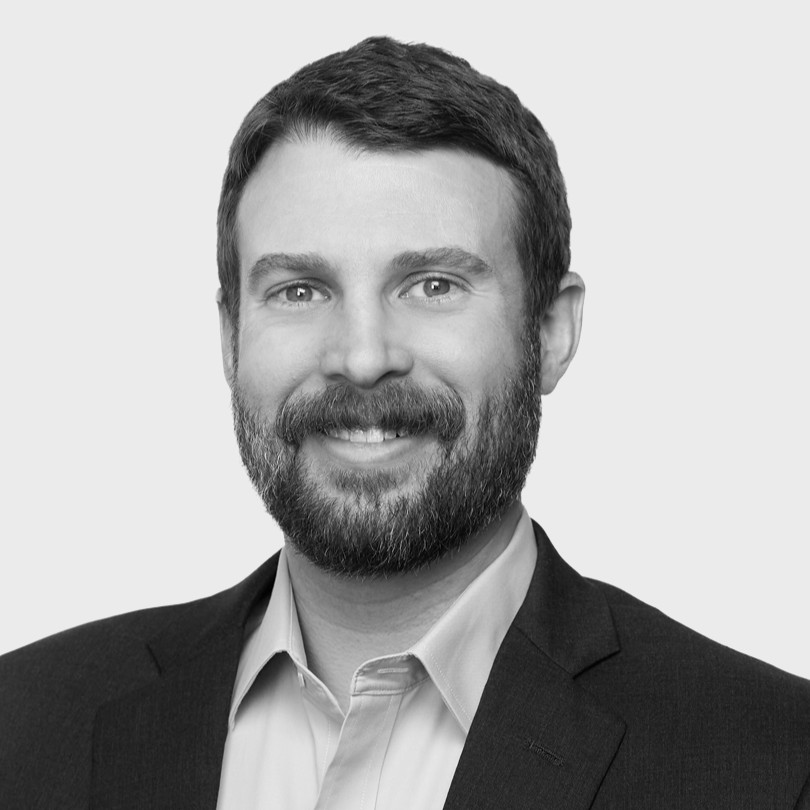
Scott Weaver
Family Wealth Report: How does tax planning fit within a broader governance strategy? Specifically, how can families seek tax efficiency without creating reputational risks or structural complications that beneficiaries may later need to untangle? Given the uncertainty around tax policy and political shifts, what guiding principles make the most sense today?
Scott Weaver: Tax planning is an important element of wealth transfer planning, but it shouldn’t drive the entire strategy. When I’m speaking with clients at Pathstone, we start with a different question: what are the family’s goals, priorities, and values? Wealth is ultimately a means, not an end.
One of the biggest mistakes we see is letting “the tax tail wag the family dog.” Many wealth transfer strategies are highly efficient from a tax perspective but completely inconsistent with what a family wants to accomplish.
For example, if a family’s goal is to preserve wealth for future generations, the most tax-efficient option might be philanthropy, but giving assets away outside the family may conflict with that objective. Similarly, building overly complex trust structures might generate marginal tax benefits but make governance and family experience far more difficult for both current and future generations.
The other guiding principle today is maintaining optionality. Wealth transfer planning is not a destination; it’s a journey that unfolds over decades and across generations. Tax laws have changed, family priorities evolve, and people are living longer than ever. When possible, we encourage families not to lock themselves into decisions prematurely.
If you begin with the family’s vision and goals and design structures around those priorities, you can then optimize for tax efficiency without creating complications that future generations will struggle to unwind.
FWR: Many firms speak about succession planning. What is Pathstone’s specific approach, and what differentiates it? How does the firm move from high-level conversation to implementation?
Weaver: Succession planning is as much about family dynamics as it is about legal structures.
One theme we see repeatedly is that wealth transfer plans are designed by one generation but not fully embraced by the next. When the next generation doesn’t understand the purpose behind those structures, or wasn’t involved in shaping them, they often fail to embrace them – or fully dismantle them.
At Pathstone, we emphasize co-creation. Families benefit when future leaders understand not only the “what” of the plan, but the “why” behind it.
Another important element is preparing beneficiaries for stewardship. The skills required to create wealth are often very different from the skills needed to preserve it. Entrepreneurs may succeed because of risk-taking vision, operational expertise, and business leadership. The next generation often needs a different set of tools: how to evaluate advisors, make thoughtful investment decisions, and steward wealth in a way that aligns with the family’s values and goals.
Trust documents and professional advisors are important, but they’re poor substitutes for good parenting and thoughtful, consistent, and transparent family communication.
FWR: What criteria should clients use to evaluate whether a trust is well-designed, cost-effective, and flexible enough to adapt to changing circumstances? Are certain US jurisdictions such as South Dakota, Wyoming, New Hampshire, or Nevada currently favored, and why?
Weaver: A well-designed trust should accomplish three things: support the family’s goals, function smoothly over time, and preserve flexibility.
First, the trust must reflect the family’s objectives. A structure can be technically elegant from a tax perspective but still fail if it doesn’t support the family’s broader governance strategy. Second, execution matters as much as design. Many of the problems we see in wealth transfer planning stem not from the original structure but from poor administration over time. One of my guiding principles is that if you don’t respect your structures, you can’t expect anyone else to. Trusts must be properly administered, documented, and managed to deliver the benefits they were designed to provide. Third, families should prioritize flexibility. Long-term wealth planning inevitably spans decades, and conditions change. Well-designed structures allow families to adapt without unnecessary disruption.
Regarding jurisdiction, several states, including Delaware, Nevada, South Dakota, and Wyoming, offer modern trust statutes, a favorable tax environment, and supportive regulatory framework. Other jurisdictions, such as New Hampshire, Tennessee, Florida, and Alaska, have also gained traction in recent years.
That said, in most cases, jurisdiction is table stakes rather than the real differentiator. What tends to matter more is the quality of the professionals administering the structure, the strength of the working relationship with that team over time, and whether the plan is designed and implemented in a way that continues to reflect the family’s goals as circumstances evolve.
FWR: How does Pathstone advise clients around liquidity events, particularly when cross-border considerations are involved?
Weaver: Liquidity events are often the single most transformative financial moment in a family’s life. Because of that, preparation is critical.
Our first piece of advice is simple: plan early and plan often. Ideally, families begin thinking about wealth transfer and governance strategies years before a liquidity event occurs. That preparation allows them to structure their affairs thoughtfully rather than making quick decisions under time pressure during a transaction.
Tax planning is naturally part of the process, and there are several strategies entrepreneurs can implement in advance that may enhance after-tax outcomes. Tax efficiency should be balanced with flexibility and lifestyle considerations.
This is particularly important for younger entrepreneurs. In some cases, we see founders in their twenties or thirties preparing to lock themselves into long-term structures that significantly limit their future options. While those strategies may be tax-efficient, they may not align with how their lives might evolve over the next several decades.
Maintaining optionality and livability is therefore essential. Sometimes the best decision is not to optimize every dollar of tax savings at the outset, but to preserve the freedom to adapt as priorities change.
When cross-border issues are involved, whether across state lines or international jurisdictions, the complexity increases significantly. In those cases, an important step is assembling a team of experienced advisors in each relevant jurisdiction to help support compliance and reduce the likelihood of unintended consequences.
Liquidity events create extraordinary opportunities, but the families who navigate them most successfully are those who approach them with preparation, perspective, and the right advisory team.
As Willow Street’s general counsel and chief fiduciary officer and Pathstone’s chief fiduciary officer, Scott Weaver takes part in the overall management of the firm on the board of directors and advises the firm on legal matters.