
As wealth grows, so do options for how and where to live and, where necessary, mitigate threats from hostile sources, be they political, social or economic.
It hardly requires explanation today that the geopolitical climate, and fraught domestic politics in some countries, including the US, encourages UHNW individuals to cast around for ideas on where to move, either temporarily or permanently. That includes the idea of going abroad.
Oliver Pursche , a senior advisor at Wealthspire, a US-based wealth advisory firm with almost $600 billion in assets under management or advisement, has a role that gives him a close view of what motivates and, yes, worries clients. Pursche, a published author , lives and breathes the cross-border point of view and is attuned to how restless some US HNW individuals and their families are. His book on the topic, published in 2013, is entitled Immigrants: Unleashing the Economic Force at Our Door. Wealthspire, meanwhile, has been busy – in early March it launched what it calls an enhanced family office offering.
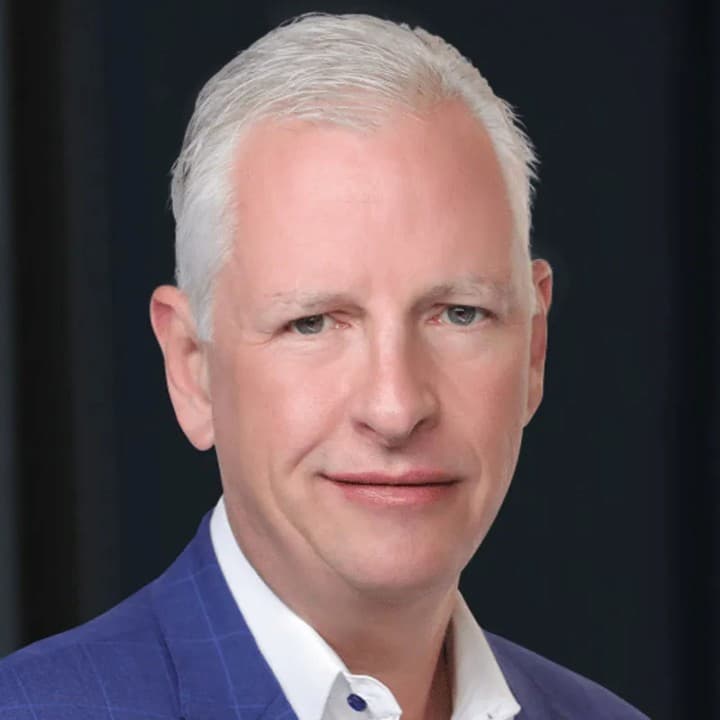
Oliver Pursche
“The big shift has been interest in servicing assets that go outside of tax considerations,” Pursche, based in Connecticut, told Family Wealth Report in a call.
Wealthy families are sometimes unable to avoid the political drama at home. Some are considering ways of sheltering their business interests from the political realm – this is not primarily about tax, but control, he said.
The political driver means that Americans are interested in certain European jurisdictions, such as Jersey, Luxembourg, Liechtenstein, New Zealand, or indeed the UK. For all its supposed problems, to give the UK case, the country does offer an alternative option and is a modern, English-speaking country. The Labour government’s new residency system – offering those living outside the country for at least 10 years a four-year period of no tax on foreign income and gains – is an attraction, although the four-year period is arguably too short.
To give one example of the protection-not-tax approach to structuring, Pursche said he has worked with a significantly wealthy client who decided to move $100 million to a European private bank in a particular jurisdiction out of a desire to protect wealth from the US administration. To do this, the client pays 40 basis points per annum for a trust structure in which the assets are held. This is not a tax reduction move, but about control because the US government has no jurisdiction over the trust assets.
“You are giving them what they will give back in a few years later to you,” he said.
A parallel trend has been US citizens seeking to acquire other passports – another classic case of seeking options. Pursche said he has several dual-nationality clients. European Union jurisdictions such as Portugal, Spain and Italy are popular because moving to the EU is relatively straightforward for applicants, he said.
The mainstream media is starting to notice this activity, although the outflow of some UHNW Americans has been a talking point in the wealth sector media for a few years. According to the Wall Street Journal on February 25 this year, the US experienced net negative migration – an estimated loss of some 150,000 people – in 2025, and the outflow will likely rise this year. Not all that emigration is among the well-heeled, either – young professionals or those just seeking a change of scene and a more pleasant life are in the mix.
There is a small, but growing group of advisors who work with Americans seeking an expat option or options, even if only temporarily. For example, in 2025, this news service spoke to Ann Marie Regal, founder of Singapore-based wealth management firm Avrio Wealth. About 60 per cent of Regal’s clients are US taxpayers, with others such as Singaporeans, for example, who live in the US, and those from other nations who might have a US link.
The rise of such residency/citizenship options is, in some ways, a barometer of globalization. A variety of jurisdictions have developed programs to encourage HNW and UHNW individuals, although some have mothballed or scrapped them after raising a certain amount of revenue and, in the face of political opposition, often caused by soaring property prices . Concerns about turning citizenship and residence into a financial deal aren’t always popular: This prompted the European Union to scold countries such as Malta, for example, for its old “Golden Visa” program.
Good stewards
Beyond the geographic options side, Wealthspire’s Pursche said that as wealthy citizens get richer, there is more focus on wise stewardship of those assets. In parallel, thoughts turn to impact investment and philanthropy, he said.
“Because wealth has increased so much, in terms of hundreds of millions of dollars, the conversation has turned from the investment stewardship side to more positive impact,” he said, addressing how NextGen adults tend to think, in his experience. “They are much more philanthropic in a lot of discussions about the good that their wealth can facilitate. It has been very encouraging to me.”
“For most of them legacy matters,” he said.