


Investment Strategies
US Two-Week Ceasefire With Iran – Wealth Managers' Verdicts
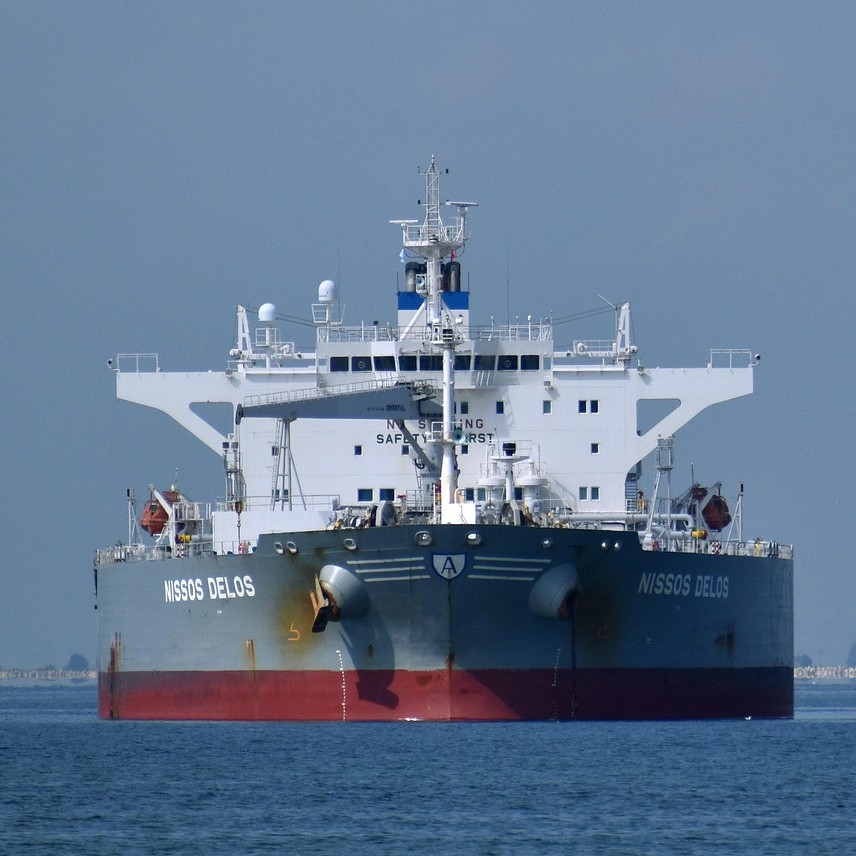
Crude oil prices slumped and equities rallied on the ceasefire announcement – but worries remain. We carry wealth managers' reactions.
Crude oil prices tumbled this morning in European trade – Brent crude oil fell about 9 per cent to around $94 per barrel – after US President Donald Trump announced a two-week ceasefire in the war against Iran yesterday. West Texas Intermediate tumbled more than 16 per cent, although is up about 55 per cent year-on-year.
While the fraught situation in the Gulf means that any cessation of hostilities could end soon – investors appeared to sigh with relief.
A key issue has been Iran’s ability to impose controls on which vessels pass through the Strait of Hormuz, a narrow sea lane that carries about 20 per cent of the world’s oil. Exports from the Gulf of liquified natural gas (LNG) have also been affected. Iranian attacks on Qatar and other Gulf states such as the UAE have also rattled the energy market and raised questions about the West’s vulnerability to Gulf-based supplies.
Equities rallied on the ceasefire news. For example, S&P 500 stock futures were up in European trading hours. The Euro STOXX 50 was up about 4.5 per cent this morning; the FTSE 100 Index of blue-chip UK equities was up about 2.8 per cent.
Investment and wealth industry figures said that in the very near term, the ceasefire removes certain risks, but longer term, worries remain about Iran’s ambitions and relations with Gulf states and tensions between Iran and Israel and the West in general.
Premium
“The market is unwinding a war premium: The first-order effect is lower oil prices, reduced inflation fears, and a decline in the probability of an energy-driven growth scare. That combination is driving the equity rally and the drop in crude prices,” Stephen Dover, head of Franklin Templeton Institute, said in a note.
“This is bullish for the broad market near term: Lower energy costs ease pressure on consumers and business margins, particularly benefiting transportation, airlines, industrials and rate-sensitive growth stocks. The shift would improve both the earnings outlook and the inflation backdrop,” Dover continued. “The message is 'less bad,’ not 'problem solved’: The ceasefire is temporary and conditional on Hormuz reopening and remaining open. Iran has framed this as a negotiating pause, not a resolution.”
Dover noted that the conflict’s macro impact runs primarily through energy and trade flows.
“Disruptions have affected not just crude oil, but also liquified natural gas, fertilizer, helium and shipping costs. If oil prices continue to fall and logistics normalize, markets can begin to unwind stagflation risks,” he said. “The inflationary backdrop marginally improves: A sustained retreat in oil prices would ease near-term inflation pressure at the margin. That does not suddenly change the outlook for Federal Reserve policy, but it reduces one of the clearest upside risks to US inflation.”
However, risks remain, Dover said. “Hormuz is the key signal. The critical variable is not the ceasefire headline, but whether shipping flows, insurance costs and actual energy transit normalize. Confidence in safe passage remains uncertain,” he said. “Even after today’s decline, Brent crude remains well above its roughly $73 pre-conflict level, indicating that some geopolitical risk premium persists.”
Elliot Hentov, chief macro policy strategist, State Street Investment Management, said: “Obviously markets have delighted in a risk-on rally due to a temporary ceasefire being announced. And aside from oil, bond yields have dropped sharply on the news too, in line with our expectations.
“However, we are not out of the woods (or the Straits) yet. A temporary pickup in shipping is not the same as a predictable normalization of energy flows over coming months. Hence, risk premia should not over compress unless we see signs of mutual concessions on the geopolitical front, which would buttress confidence in a lasting ceasefire. The US has conceded a lot for now, so this requires significant softening of Iranian positions in coming days to avert a resumption of fighting,” Hentov said.
“In line with our oil analyst’s view, energy markets are likely past the peak supply shock, as prices had already surged into economically damaging territory – typically the trigger for de-escalation dynamics,” Christian Gattiker, head of research, Julius Baer, said. “The ceasefire fits well into the established pattern of geopolitical crises, where an intense ramp-up phase creates the conditions for an eventual off-ramp. This supports our base case of a ‘swift and intense shock’, with limited lasting damage to global energy supply.
“While geopolitics in the Middle East will continue to simmer, we expect energy markets to gradually decouple from political noise, reducing the risk of a sustained oil-driven macro shock. That said, investors should remain cautious in interpreting this as a clean resolution. The conflict continues to follow a ‘reality-TV pattern’ – characterized by rapid escalation, tactical pauses, and renewed tension. The two-week truce is therefore likely a pause, not an endpoint, and the risk of renewed volatility remains high once this window closes,” Gattiker said.
Dover at the Franklin Templeton Institute said that in the near term, markets will respond favorably to a removal of some risks.
“Our calls for maintaining broad equity exposure remain. If de-escalation holds, the biggest beneficiaries would be the sectors most pressured by the spike in oil prices. Don’t declare victory yet. The right framing is relief rally first, potentially re-rating later. Focus on real-time indicators. In our view, crude oil prices, tanker traffic and shipping conditions will reveal more than political headlines,” Dover added.