


Trust Estate
The Art Of Wealth Transfer: Preparing Next Gens

The recent FWR Family Office Investment Summit generated plenty of important conversations. This panel addressed intergenerational wealth transfer, covering different aspects.
The following article is from Jason Ma, CEO and chief mentor of ThreeEQ. He moderated a panel at the Family Wealth Report annual investment summit, held in New York, earlier in November. Here is his account of the conversations.
Preparing Next Gens well means starting early and starting with love. Achievement alone does not equal readiness for the responsibilities of UHNW family wealth. Human preparation deserves the same care families bring to preparing the wealth they will transfer. These were central themes I emphasized while moderating “The Art of Intergenerational Wealth Transfer,” the closing panel at Family Wealth Report’s Family Office Investment Summit on November 16, hosted at PwC's offices in New York.
Julia Haart, David Robb, and Kamil Homsi, who are single family office principals, joined me for a candid conversation about family values, relationships, preparation, responsibility, and philanthropy.
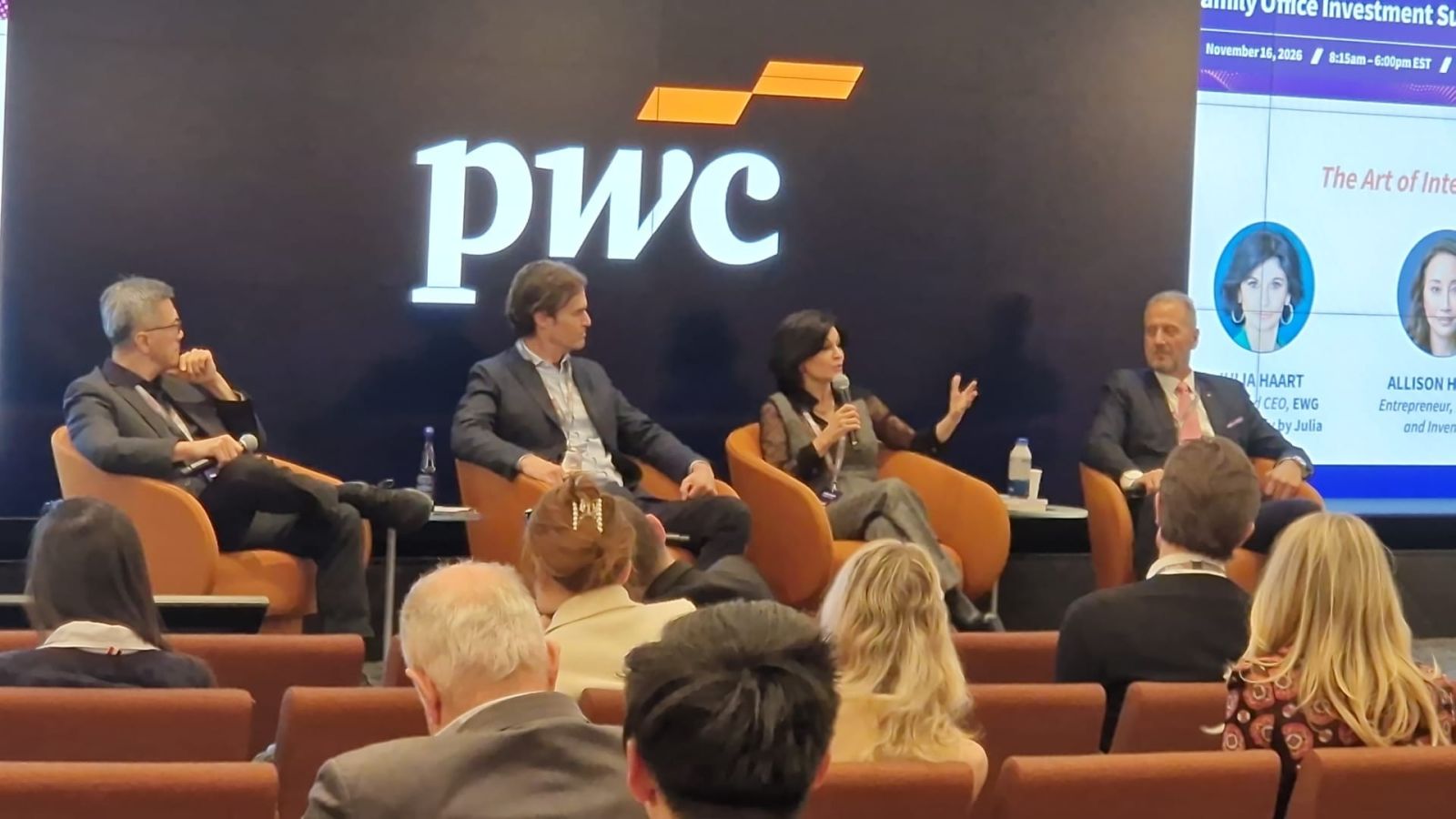
Pictured, Left to right: Ma, Robb, Haart and Homsi
For nearly two decades, I have privately mentored select Next Gens, partnered with their parents, and coached seasoned leaders. Two recurring mistakes deserve attention: starting too late and confusing achievement with readiness. Strong academic results, elite college and graduate school admissions, prestigious jobs, and impressive résumés are meaningful accomplishments. But they do not automatically develop the discernment, resilience, communication and relationship skills, or sound decision-making processes needed to steward opportunity wisely.
Starting early gives families time to strengthen a young person’s mindset, strategies, and relevant soft and hard skills, alongside grit, adaptability, and effective execution. These develop through experience, meaningful responsibility, and trusted, high-quality guidance. Waiting until a major inheritance or leadership transition can force rushed decisions and leave less time to learn and adjust.
Preparation should also support wellbeing, helping Next Gens pursue meaningful ambitions and handle greater responsibility without losing themselves in others’ expectations.
At its heart, wealth transfer is about relationships. Parents may fear that financial comfort will weaken ambition or expose their children to exploitation. Next Gens may feel pressure to prove themselves or worry that pursuing a different path will disappoint the family. These concerns need honest conversations, grounded in trust.
High standards work best with unconditional love. Young people need to know they are valued beyond their achievements. Parents and grandparents can share the sacrifices, mistakes, and difficult decisions behind the wealth while listening to the aspirations and concerns of younger generations. Discussing expectations about education, work, financial support, and family roles early can prevent resentment. Listening must work in both directions.
Haart emphasized family unity, gratitude, and teaching children to consider what they can contribute to society rather than what they expect to receive. Robb highlighted family values and encouraging Next Gens to work, prove themselves, and earn responsibility. Homsi emphasized philanthropy, including supporting families with children who have disabilities.
Their perspectives reinforced the importance of connecting family values with lived experience. Philanthropy can help Next Gens understand needs beyond their own, evaluate competing priorities, and take responsibility for decisions. Participation becomes more meaningful when they have room to ask questions, contribute ideas, and understand the effects of their choices.
Preparation
Preparation should reflect each person’s stage of life. For high
school students, strong academic work, meaningful activities,
initiative, critical thinking, and authentic communication can
support competitive admissions while building capability for
college, early career, and life. Internships, work, and research
help college students build skills, manage commitments, seek
feedback, and overcome setbacks as they prepare for a career or
further study.
Working adults may be upskilling, reskilling, and preparing for enterprise leadership, governance, investing, philanthropy, or careers outside or inside the family business. Responsibilities should reflect demonstrated capability and individual aspirations. Independent careers can strengthen a family’s collective perspective without weakening connection or commitment to its legacy.
In our Ma family, playfully the “MAfia,” we value unconditional love, humor, and high standards in what matters. Our two young adult daughters, Sabrina and Lydia, contributed to ThreeEQ, our family business, for years. Now AI-savvy software engineering leaders at Google and Stripe, respectively, they are less active in ThreeEQ. I encourage them to deepen their sophistication in wealth preservation and growth and become more involved in philanthropy again. Their development continues as their responsibilities evolve.
Faith and Judeo-Christian values also featured openly in our panel conversation. My Christian faith shapes how I practice love, stewardship, and service. Love, truth, compassion, candor, and wisdom help guide my work with families and leaders. In families of faith, spiritual formation deserves attention alongside academic and professional development. Values become credible through how we live, treat others, and respond when someone falls short. Each generation needs space to develop convictions it personally embraces.
Responsibility needs to become concrete. A teenager might manage a budget or lead a service project. A young adult might research a charitable grant and explain the recommendation. An experienced successor might lead an initiative with clear authority, resources, and agreed measures of progress. Review decisions together, including mistakes and lessons learned, and expand responsibility as capability develops. Preparation works in both directions. Parents and grandparents must also prepare to share authority, entrust consequential decisions, and step back as readiness develops.
Preparation includes using AI tools thoughtfully, checking their outputs, and retaining responsibility for decisions. Technical fluency belongs alongside discernment, critical thinking, clear communication, and the ability to work well with people. A wise, trusted outside mentor can support these transitions through candid feedback and continuity while working constructively with parents.
Families can begin with one practical question: What meaningful responsibility could your Next Gen take on now, and what guidance would help them grow through it? The art lies in discerning when to guide, challenge, support, entrust, and step back. Preparing Next Gens to contribute meaningfully and thrive can strengthen family relationships and legacies while giving parents greater peace of mind.
About the author
Jason Ma is founder, CEO and chief mentor of ThreeEQ, where
he privately mentors select Next Gens from UHNW families and
coaches senior leaders to prepare exceptionally well and achieve
strong outcomes in what matters most to them. He partners with
parents to develop Next Gen leaders and strengthen family
legacies. He also works with enterprises and single family
offices (SFOs) on global enterprise growth, strategic
introductions, and smart AI/tech direct investing.