


Client Affairs
Investment Managers React To Unexpected Drop In US Inflation
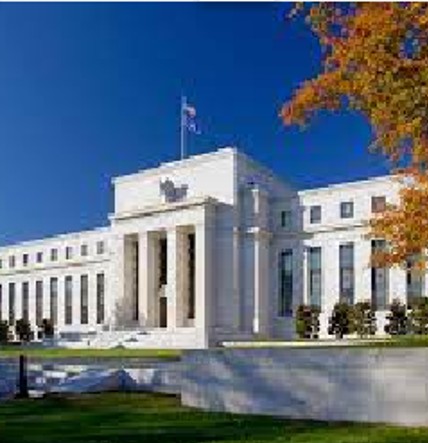
After US inflation eased by more than expected in June, investment managers discuss the impact on asset allocation and potential interest rate hikes or cuts later this year.
US annual inflation fell by more than expected to 3.5 per cent in June from 4.2 per cent in May, according to figures from the Bureau of Labor Statistics (BLS).
On a monthly basis, US inflation decreased to -0.4. per cent in June, from 0.5 per cent in May, the largest one-month decrease in the headline rate since the Covid pandemic in April 2020. Annual core inflation, which strips out volatile components, fell to 2.6 per cent from 2.9 per cent in May.
The figures means the Federal Reserve (pictured) and its team of rate-setters might be less willing to tighten policy than previously thought by some analysts. Caveats remain, however.
Isaac Stell, investment manager at Wealth Club, highlighted that these latest figures, although very positive, are backward looking. “In the last few days alone, US President Donald Trump has declared the war is back on with Iran and the oil prices have reacted accordingly with the price of Brent Crude rising again to $86,” Stell said in a note. “Prior to the release of today's inflation figures, markets were pricing in a 50 per cent chance of a rate hike at the US Federal Reserve’s next meeting in July, that now looks less likely. The Fed will be cognizant, however, of the evolving geopolitical landscape and a rate hike cannot be assumed to be completely off the cards.”
Her stance was echoed by Daniele Antonucci, chief investment officer at Quintet Private Bank (parent of Brown Shipley). “The downside surprise in US inflation, from a market point of view, is stale. Yes, both the headline and core number, which strips out volatile components such as energy and food, surprised to the downside. But the miss is mostly related to the past declines in oil prices, which have started to climb again as geopolitical risks rise,” Antonucci said. “So, while the Fed and investors alike might be slightly relieved that we got a weak number even going beyond energy-related effects, the forward-looking view is more nuanced.”
“If no resolution to renewed US-Iran tensions is found soon, gasoline prices will start picking up again, and the feedthrough of energy into broader categories of producer and consumer prices will get stronger soon,” Antonucci continued. This is why he still thinks it’s more likely than not that the Fed will hike interest rates later this year. Yet he thinks market expectations remain on the hawkish side and believes that a series of rate increases is less likely.
And, if oil prices were to resume their downtrend, he wouldn’t be surprised if the central bank reversed course rapidly and cut. After a solid rally, Antonucci has slightly reduced his overall equity allocation, locking in gains. Most of this reduction comes from his European equity market exposure, although he has also slightly trimmed his US equity holdings to take some profits. Antonucci is still constructive on equities and continues to hold a moderate tactical overweight.
He has reallocated the proceeds to European money markets, where yields have become more attractive after the latest European Central Bank rate hike. He has also reallocated to government bonds, which could provide diversification if markets become more volatile.
Meanwhile, Josh Jamner, senior investment strategy analyst at ClearBridge Investments, part of Caifornia-based Franklin Templeton, believes that the figures pour cold water on the case for rate hikes in the near-term and should lift risk assets, including US equities, as rate hikes get priced out of the market and yields across the curve fall. “Underneath the hood, inflation was fairly muted with lower energy costs, softer shelter inflation, modest goods deflation, and tame services inflation. One thing that stood out was Information Technology goods, which saw a drop in prices despite the impulse from higher chip prices,” Jamner said.
Mark Haefele, chief investment officer at UBS Global Wealth Management, also believes that June’s consumer price index (CPI) report is enough to ease concerns over imminent rate hikes and strengthen the case for rate cuts as disinflation continues.
While energy prices remain dependent on developments in the Middle East, Haefele thinks a more modest inflation environment combined with the reemergence of weaker growth expectations in the second half of the year should push core personal consumption expenditures (PCE) closer to the Fed’s 2 per cent target by year-end. He also expects softer labor demand resulting from increasing AI adoption. “Taken together, these dynamics should push the Fed to a more dovish stance and a return of policy rates to a low 3 per cent neutral estimate. We expect bond yields to decline from elevated levels, creating an opportunity to lock in attractive income in quality fixed income, particularly at short-to-medium maturities,” Haefele said.