


Trust Estate
How To Help Grandchildren Afford College

Senior family members can help grandchildren in a numher of ways, for example, by paying for college tuition fees – a hot-button issue.
That college fees in the US – and in other locations – are high is a well-known point. For high net worth families, outlays for tuition are an important spending item. One of the reasons people work hard to build wealth is precisely to have the money to give their children the best opportunity. While the whole idea of how much people “ought” to spend on their children can be freighted with political controversy about the competing forces of parental concern and meritocracy, there’s no doubt that college costs are important for wealth managers’ clients. It can even affect topics such as asset allocation and liquidity management.
Shea GuntherMaher (pictured below) an attorney, considers a series of steps that grandparents can take to help the younger generation. (More about the author below.) Among the ideas discussed is the 529 college savings plan.
The editors are pleased to share these ideas; the usual editorial disclaimers apply to views of guest writers. Jump into the debate! Email tom.burroughes@wealthbriefing.com and amanda.cheesley@clearviewpublishing.com
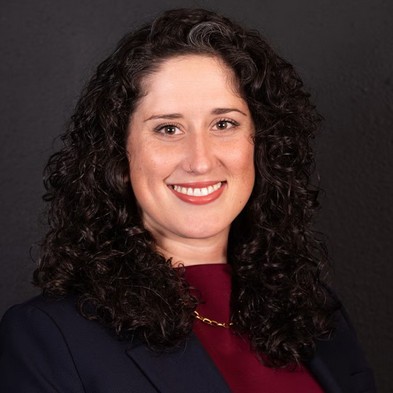
Shea GuntherMaher
For many parents and grandparents, helping a grandchild afford college is more than a financial gesture – it's a way of shaping a legacy, investing in opportunity, and strengthening family bonds across generations.
Yet even with the best intentions, the number of saving tools and tax considerations can quickly become overwhelming. Understanding the landscape begins with exploring the financial strategies families use most often, and how these options fit into long-term estate planning and education goals.
One of the most familiar paths is the 529 college savings plan. For years, these plans have been regarded as one of the most tax-efficient ways to support a child’s education. Contributions grow tax-deferred, and withdrawals for qualified educational expenses are tax-free. Recent FAFSA updates have made them even more attractive by ensuring that distributions from grandparent-owned 529 plans no longer count as student income. For grandparents who want to support college without jeopardizing financial aid, this change has been transformative. Some families contribute gradually each year, while others take advantage of “superfunding,” making five years’ worth of gifts upfront to create a substantial head start on education savings.
Some grandparents prefer to give more directly. Annual exclusion gifts – up to the federally-allowed amount each year – allow families to provide financial support for books, technology, transportation, or other essentials without incurring gift taxes. This flexibility gives families room to help with the real-life costs that accumulate during the college years.
For those who want more structure, education trusts offer a sense of intention and guidance. These trusts can spell out precisely how and when funds are used, ensuring that resources are directed toward academic goals. Parents and grandparents can require that a beneficiary be enrolled in school, meet academic milestones, or reach a certain age before receiving funds. Whether revocable or irrevocable, these trusts integrate naturally into an estate plan and create a protective framework to safeguard the assets from misuse.
Some grandparents look even further ahead, using irrevocable trusts with specific college-funding provisions. These tools can remove assets from the taxable estate while still giving the grantor the ability to guide how and when the money is spent. They can cover costs that fall outside traditional tuition and fees, such as health-related expenses, and offer protection from creditors or future legal disputes. These trusts often work hand-in-hand with 529 plans to create a layered, future-focused strategy.
Among the more specialized vehicles are Health and Education Exclusion Trusts, or HEETs. These irrevocable trusts take advantage of IRS exclusions to cover tuition and qualifying medical expenses without gift or estate tax consequences. Compared with 529 plans, HEETs provide broader flexibility and a high level of control – though that flexibility comes with added complexity and potential impacts on financial aid eligibility. For grandparents who deeply value control, multigenerational planning, and long-term tax efficiency, HEETs can be an appealing option.
Choosing between a HEET and a 529 often comes down to personal preference: Do you want maximum control, or maximum simplicity? HEETs provide a framework for highly customized planning, while 529s offer ease, predictable tax benefits, and newly-favorable financial aid treatment. Most families fall somewhere in the middle – wanting the advantages of both without losing sight of their broader estate plans.
Other families gravitate toward custodial accounts such as UTMA (Uniform Transfers to Minors Act) or UGMA (Uniform Gifts to Minors Act) accounts. These accounts are simple to create and allow assets to be held for a child until they reach adulthood. However, because they become the child’s property when they reach the age of majority, they require trust in the beneficiary’s judgment. While they can affect financial aid calculations more heavily than some alternatives, they remain a meaningful option for grandparents who have strong relationships with their grandchildren and want to give them early financial responsibility.
Whatever tools a family chooses, coordinating financial aid and gifting strategies is essential. Many advisors encourage families to think about timing: using parental 529 funds in the early years of college, then allowing grandparent gifts or distributions later – after key financial aid determinations have already been made. Even small adjustments in timing can help preserve eligibility for need-based aid while still allowing grandparents to contribute meaningfully.
Some grandparents supplement these strategies by contributing to Coverdell Education Savings Accounts. While the annual contribution limit is modest, Coverdell ESAs offer tax-free growth for a wide range of educational expenses – including K–12 costs – making them a helpful complement to 529 plans, especially for families with long educational timelines.
Increasingly, grandparents are incorporating college planning into broader estate strategies. Tools like generation-skipping trusts can provide education support for beneficiaries while preserving family wealth across multiple generations. Life insurance can also serve as a funding mechanism, ensuring that educational support continues even after the donor is gone. In these situations, communication among parents, grandparents, trustees, and advisors is key to aligning everyone’s expectations and keeping plans adaptable as tax laws evolve.
Finally, one of the most direct and powerful ways to support a grandchild’s education is simply paying tuition directly to the college or university. The IRS allows this type of payment to be made free of gift tax and without affecting annual exclusion limits. For families with college-bound grandchildren, this can be an ideal way to offer substantial support with clarity and control.
In today’s economic climate – where tuition continues to rise and families face new financial pressures – helping grandchildren afford college requires both intention and flexibility. While 529 plans may be the most well-known tool, they are far from the only one. Trusts, exclusion-based strategies, gifting techniques, and coordinated planning all play a powerful role. The right combination depends on each family’s financial picture, their estate planning values, and their hopes for the next generation.
Estate planning attorneys remain essential partners in this process. By guiding families through complex tax rules, trust structures, and financial aid considerations, they help ensure that education funding not only supports learning – but also strengthens the family legacy behind it.
About the author
Shea GuntherMaher is an attorney in the Estate Planning
division of Goyette Ruano + Thompson (GRT), where she provides
client-centered guidance in estate planning, probate, and trust
administration.