


Strategy
How Employee-Owned RIAs Are Organizing To Survive

Can employee-owned RIAs survive in an era of massive capital infusion from private equity?
“It will take hard work, but it is possible,” said Rob Francais (pictured below), CEO of Aspiriant Wealth Management, a Los Angeles-based, employee-owned RIA with about $17 billion in assets under management.
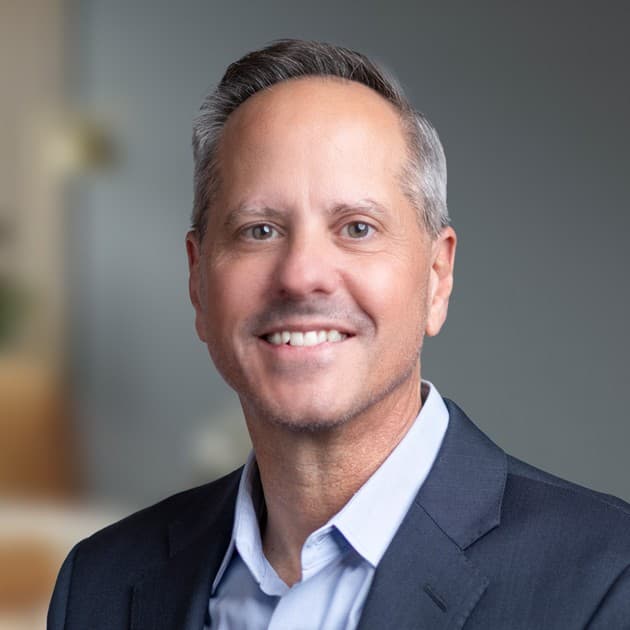
Rob Francais
To facilitate that aspiration becoming a reality, Francais has been organizing a cohort of 100 per cent employee-owned RIAs with assets of at least $3 billion that he hopes will become a formal alliance next year.
Last week 19 firms met in Charleston, South Carolina for an “Employee Ownership Summit.” They discussed business models, equity ownership and succession structures, service models, competition for talent and “scale as a competitive threat – and how we respond.” (See main picture)
That meeting followed the inaugural conference of 22 employee-owned firms that met in Park City, Utah last summer. Francais also organized a meeting of Australian employee-owned firms in Sydney in January.
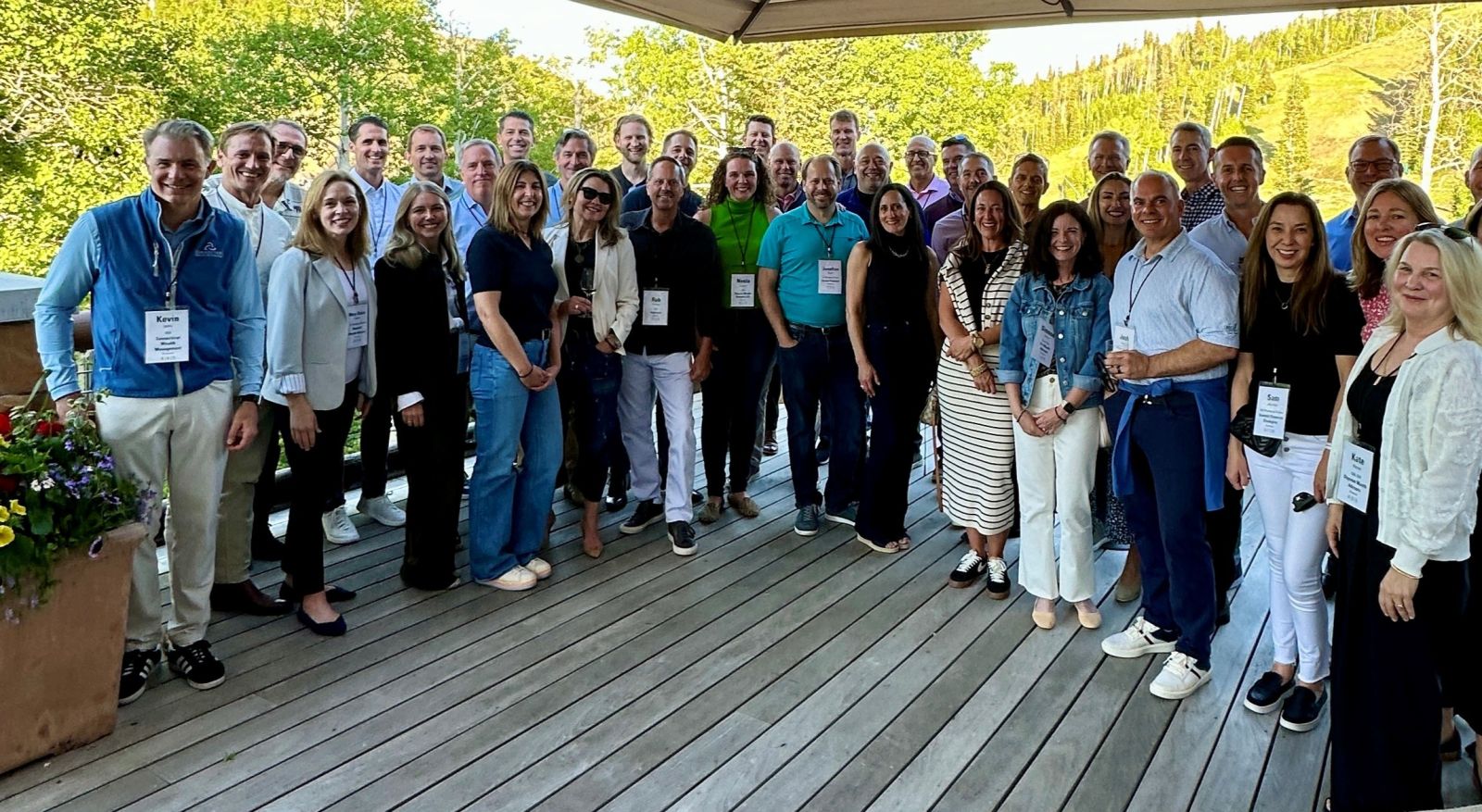
Attendees at the Utah conference in 2025
Daunting challenges
The challenges are daunting, to be sure. Private equity capital
allows firms to grow “further and faster,” as one CEO of a
private equity backed firm put it. A capital war chest allows
firms to make multiple acquisitions each year and spend freely on
technology, marketing and talent. And as valuation multiples
continue to soar, private equity capital provides a next
generation succession solution for younger advisors unable to
afford internal equity buy-ins.
The numbers underscore the difficulties facing employee-owned firms. All the 10 largest RIAs have outside stakeholders. More than two-thirds of M&A transactions last year were funded by private equity. And more than one fifth of total RIA assets are held by firms with outside capital.
The odds of 100 per cent employee-owned firms surviving as viable enterprise competitors over the next five years are “extremely low,” according to RIA consultant John Furey, managing partner of Advisor Growth Strategies. “Capital and technology advance will only compound the low probability. All enterprise firms will have a capital partner,” Furey said.
“More confidence in staying the course”
Francais begs to differ.
“Employee-owned firms have been asking ‘Are we missing out?’ and ‘Should we be looking at outside capital?’” Francais said. But after two meetings of the like-minded firms sharing ideas, making connections and offering mutual reinforcement, “sentiment has changed, “Francais said. “There is more confidence in staying the course.”
“The meeting was inspiring and incredibly thoughtful,” said Allison DiLiberto (pictured below), managing director and head of finance and operations at Chicago-based Altair Advisors, who attended the Park City summit. “Rob has been a visionary in this space, and the summit brought together an incredible network of peers willing to share resources and best practices. I found it to be immensely helpful.”
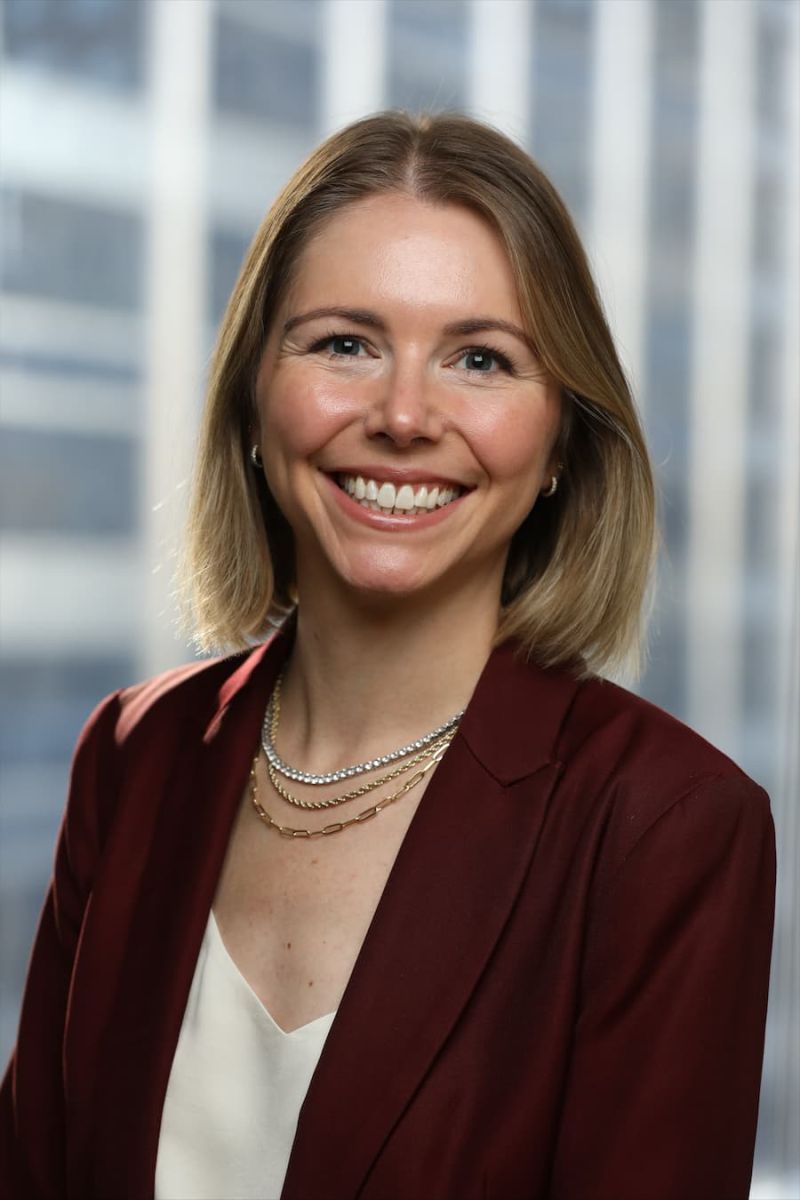
Allison DiLiberto
“Everyone shared a fiduciary mindset that extended to clients and ownership,” said Brook Lester, managing principal at Diversified Trust Company, who attended the Charleston summit, which was sponsored by Charles Schwab and Dimensional Fund Advisors.
Employee-owned (EO) firms are not “anti-private equity,” Francais said, but he did spell out differences between the business models of firms taking outside capital and those that didn’t.
Private equity contrasts
Employee-owned firms “balance the ecosystem” by being fee-only
and remaining “consistent with fiduciary standards,” he
maintained, contrasted with private equity-backed firms who are
willing to share revenue with money managers and are becoming
more like broker-dealers.
Competing with large capital-intensive private equity-backed RIAs is a major concern of employee-owned firms, Francais said. In addition to providing advisory firms with capital funding for the services, talent and infrastructure necessary to scale at an enterprise level, private equity pressure on multiples “significantly reduces opportunity for the next generation to participate in equity ownership,” he noted.
The “crazy multiples” resulting from private equity’s voracious push for inorganic growth via acquisitions puts pressure on NextGen employee-owned advisors to afford ownership, said Dougal Williams, CEO of Portland, Oregon-based Vista Capital Partners.
Vista extends internal financing to advisors, Williams said, offering first-time buyers seller financing for a 10-year loan at a rate just below prime and an interest-only payment for the first year.
“Spend wisely and incrementally”
In a market where demand for talent exceeds supply, having ample
private equity capital to attract advisors is also a major
challenge for employee-owned firms, as is finding money to spend
on technology upgrades and digital marketing, attendees agreed.
As for scale, employee-owned firms, whose access to capital is mostly limited to debt, have to spend wisely and incrementally and rely on above average organic growth instead of acquisitions, Francais said.
Raising public awareness of the virtues of advisory firms that are owned by employees emerged as a priority for firms attending the summits. “We have to let clients know why it’s important,” Lester said. “Strategic messaging about employee ownership is our differential in the marketplace,” added Francais.
Employee-owned prospects
Another employee-owned conference is planned for the fall with
around 15 additional firms. A task force will be formed to
determine goals and an agenda for a permanent alliance of
approximately 75 US employee-owned firms with $3 billion or more
in AuM as well as international firms. Francais hopes to
eventually expand the alliance to employee-owned firms with $1
billion or more in assets.
Can an alliance help employee-owned firms stay competitive?
“RIAs are getting hit from all angles to grow,” said Brandon Kawal, partner at Advisor Growth Strategy. “They have to find and retain talent, invest in tools and capabilities and continuously improve the client experience. The potential capital required to facilitate an internal marketplace can, in some cases, distract from growth investments and prohibit firms from keeping up.”
While Kawal doesn’t think employee-owned firms will be able to compete with the largest RIAs who can complete a dozen or more acquisitions a year, he is convinced that employee-owned advisory firms can be “viable competitors in a future middle market.”
Capital providers, “have their own objectives,” Kawal noted, while employee ownership “gives advisors freedom to dictate strategy without outside interference.” What’s more, as large private equity-backed RIAs “start to look and feel like the institutions advisors have fled, employee-owned firms could become the destination of choice for advisors and teams willing to compromise on highest price in favor of a more boutique model.”
Unhappy advisors
Industry executives are in fact reporting increasing
dissatisfaction from advisors finding themselves in
mega-RIAs.
Fifth Third Wealth Advisors has even gone on record saying they plan to actively recruit wealth teams from RIA aggregators this year. “I think there’s more discontent [from advisors whose firms have sold to private-equity backed acquirers],” Fifth Third president Eric Housman told trade publication Citywire. “There’s a number of folks at those firms that didn’t feel the benefit.”
Strengths and tradeoffs
Employee-owned firms are counting on a collaborative culture not
beholden to external demands to be an attractive calling card.
“Culture is what distinguishes us,” said Williams. “Clients know
we’re putting our professional reputation at risk along with our
personal capital.”
“Our strength is a boutique, niche offering,” added DiLiberto. “It’s a high touch, high trust, advisor client relationship that’s really aligned.”
Diversified Trust found the Charleston summit an opportunity “to spend more time and share ideas with multi-generational firms committed to broad ownership,” said managing principal Michael Gragnani.
For Wealthstream Advisors and Greenspring Advisors, which both attended the Park City summit, that time spent together led to a merger, an outcome that may be replicated as a result of the anticipated employee-owned alliance Francais said.
Indeed, “the key opportunity for employee-owned firms to flourish is to consider possible merger partners among firms with a similar vision and culture,” said industry consultant Tim Kochis, the former founder and CEO of San Francisco-based Kochis Fitz, who merged his firm with Francais’ in 2008 to form Aspiriant.
Kochis also pushed back on the notion that an employee-owned business model isn’t sustainable. “The verdict on all forms of capital arrangements is still out,” he said. “Focus, the only genuine public company to emerge from consolidation, didn’t execute well enough to meet the public market’s expectations and its public capital formulation didn’t last long.”
The tradeoff for providing optimal client service and employee ownership is less than optimal financial compensation for founders. They do, however, tend to already be rich, Kochis noted. “As we coach our clients,” he said, “at some point enough money is enough, if that facilitates achieving the full array of one’s objectives.”
Resisting the temptation to sell out to private equity “hasn’t been very hard,” said Lester. “We want to serve clients and shareholders in the right way and build a long-lasting firm for multi-generational families. That’s an important promise we intend to keep.”