


UHNW Institute
Bittersweet UHNW Symposium: Growing Rapidly But Mourning Loss Of Leader
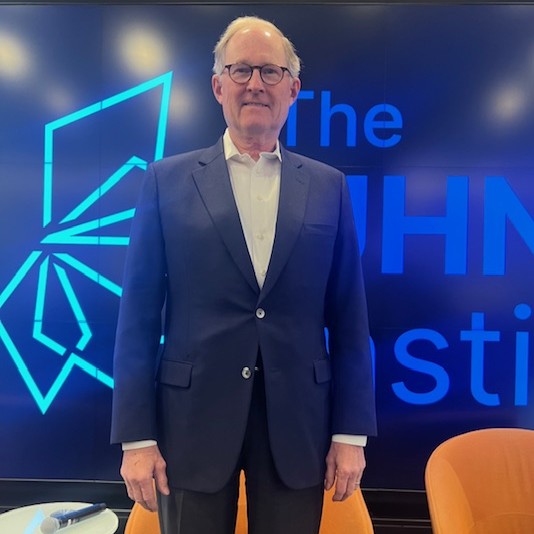
Rapid growth in the Institute and a busy agenda contrasts with the sad passing of its co-founder and a major driving force. Our US correspondent reports from the organization's symposium in New York.
The UHNW Institute’s annual symposium was a bittersweet affair this year. The seven-year-old organization of wealth management practitioners has rapidly grown to over 400 members, approximately half of whom came to New York for two productive days of workshops, presentations and collegial mingling.
But overshadowing the conference was
the death of Steve Prostano (pictured below), a co-founder of
the institute, who in addition to being chairman, CEO and
president at the time of his very unexpected death in August, was
clearly the guiding force behind the organization.

Steve Prostano
Board members praised Prostano in a tribute video as a visionary who changed the industry with his concept of a collegial, non-profit think tank dedicated to setting standards, improving business practices and, as one member articulated, “putting strategy, process and people together.”
Search begins
A group of the institutes’ leaders will review the
organization's “strategic and business planning process” to
help determine what qualifications are needed for a new leader,
said Wally Head (main picture), the interim chair and CEO. A
search committee, headed by Michael Zeuner and Linda Mack, the
co-chairs of the Institute’s Governance Committee, is expected to
recommend a new leader by mid-2027.
The UHNW Institute is planning to begin formal training and credential programs as well as other educational services to enhance revenue, 90 per cent of which now comes from membership dues and the rest from support from educational partners, according to Head. Deciding how to “allocate scarce resources” to various initiatives is the organization’s biggest challenge going forward, he said.
Creating peer groups to attempt to “build out international membership in a methodical manner,” will be another 2027 project, said Laurent Roux, international advisor board chair.
“Succession can no longer be a single
handoff”
“Navigating multiple transitions at the same time,” is the most
important issue facing members, said Jim Grubman, an Institute
board member emeritus and principal at Family Wealth Consulting.
“There used to be one transition at a time but complexity has
gone up.”
That observation was borne out by research conducted by the Institute and McKinsey & Company. “People are living longer and succession can no longer be a single handoff,” said Santiago Falcao, associate partner at McKinsey. “Families need to share authority in steps, which brings the ‘shock of responsibility’ to family members.”
The “biggest trend” from the survey was respondents saying that family roles involving succession, business ownership and trusts can all change at once, Falcao said. “You can’t plan for each alone. Even if you have a solution for one event, it may not be enough for others. Everything is interconnected.”
Multi-generation collaboration, not succession
plan
Sharing authority and increased interactions during transitions
were key findings of McKinsey’s research. “The single handoff
moment is going away,” said McKinsey senior partner Jill Zucker.
The term “multi-generation collaboration” would be a more
accurate description of the current environment than “succession
plan,” said one advisor in the audience during a Q&A
session.
Spurring younger family members into action also emerged as a priority for family offices. Surveyed executives said they would like to see more family member involvement. “They expressed a need to move from education to involvement,” Falcao said. “Proactively cultivating” the family’s next generation of younger members is “a core strategic priority,” one family office executive said.
Integration key
The concept of the “integrated advisor” was the central theme of
the symposium. The most pressing issue for advisors working with
ultra-high net worth client families (defined by the Institute as
having more than $30 million in assets) is striving to achieve
the concept of integrated advice at both the talent and business
operational level, said Jamie McLaughlin (pictured below), an
Institute founding member and industry consultant.
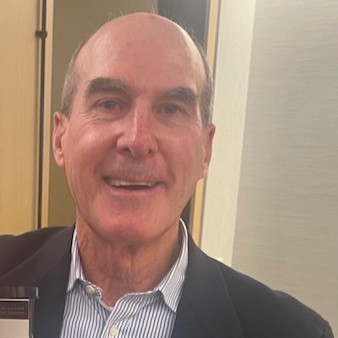
Jamie McLaughlin
The symposium was in fact organized around what the Institute calls “Table Stakes 2.0,” a service model for integrated wealth management. Sessions centered on meeting clients' needs; hiring, training and supporting a new generation of advisors; various service models and the process of structures, strategies and tactics that firms implement to deliver an integrated service model.
Advisors “need to bring clarity to families to make sure they’re getting what they want,” said Tom McCullough (pictured below), managing director of thought leadership and strategy for the Institute.
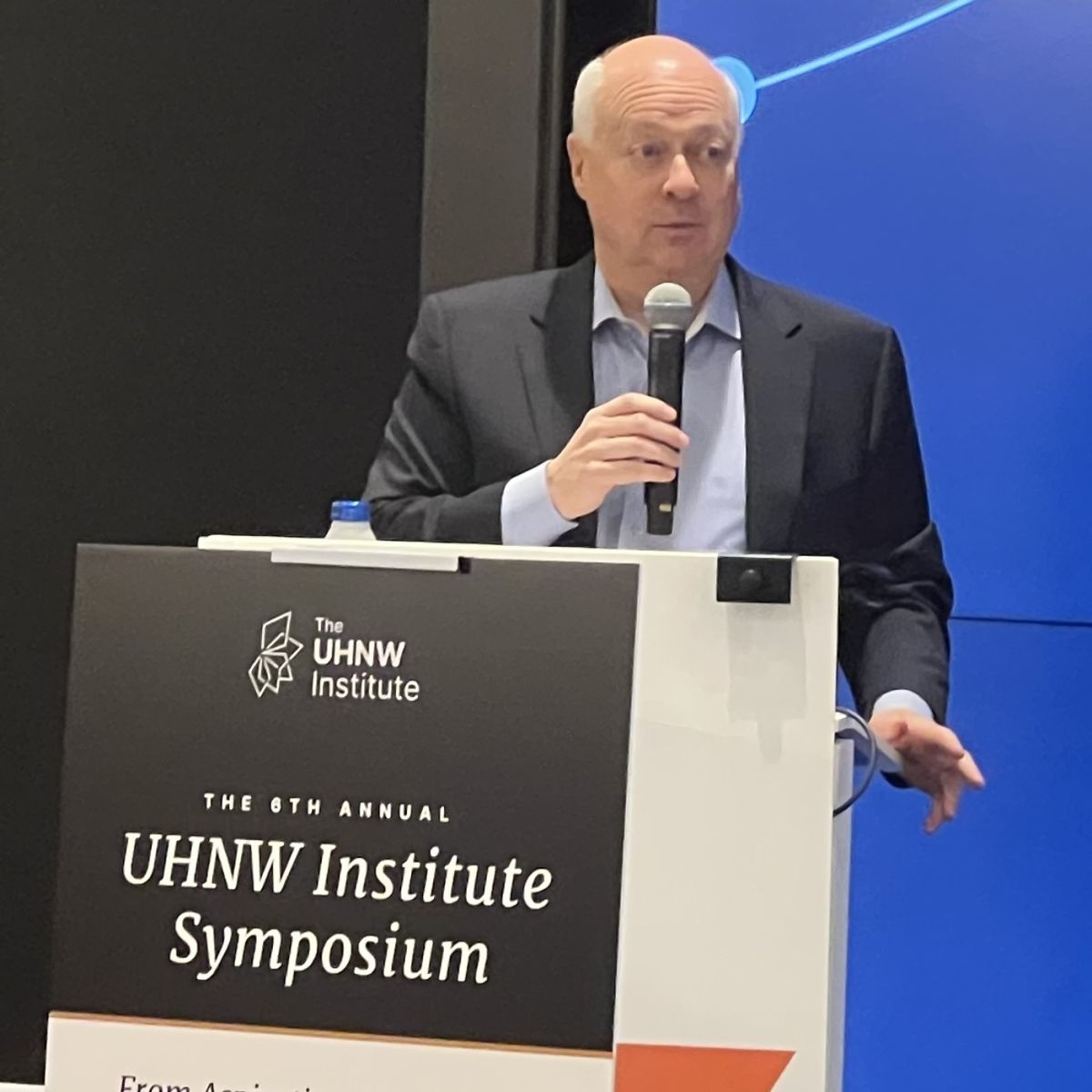
Tom McCullough
Outlining the need for a 2.0 version of an integrated service delivery model, McCullough said that recent developments have made clear that integration “begins with the family’s needs, not the advisor’s capabilities.”
While traditional business models reward cross-selling of more
services to increase revenue, a “fully-developed integrated
advisor” operates under a different model, according to
McCullough. Pricing is based on holistic advice and coordination,
not products or transactions, enabling the relationship between
client families and firms to become “a true fiduciary partnership
rather than a series of engagements driven by a sales
agenda.”