


Strategy
ANALYSIS: Can Vanguard And State Street Challenge Schwab?

FWR continues to chronicle important conversations held at last week's annual IMPACT conference in Boston. One takeaway is that Charles Schwab is still the custodian market leader. Are other players able to mount a significant challenge?
If nothing else, Charles Schwab’s annual IMPACT conference is a reminder of how dominant and entrenched the custodian is as a market leader. Six thousand advisors showed up for three days of sessions, schmoozing and dealmaking, making IMPACT by far the most consequential industry gathering. (To read previous reports from the conference, see here and here.)
Charles Schwab custodies $5.8 trillion of assets for over 16,000 RIAs, grabbing a remarkable two-thirds (and growing) share of the custodial market. Fidelity's share has remained steady at 25 per cent and, in third-place, Pershing’s share has slipped to around seven per cent.
Schwab fortified its seemingly impregnable position by acquiring its primary competitor, TD Ameritrade, in 2020 for $26 billion. Now that the transition is complete, albeit with a few hiccups, Schwab appears stronger than ever and is flexing its muscles by beginning to charge ETF providers a 15 per cent platform fee and raising its minimum account size referrals to RIAs to $5 million, up from $500,000 just a few years ago.
Clearly, this is peak Schwab. Is any firm capable of mounting a credible challenge?
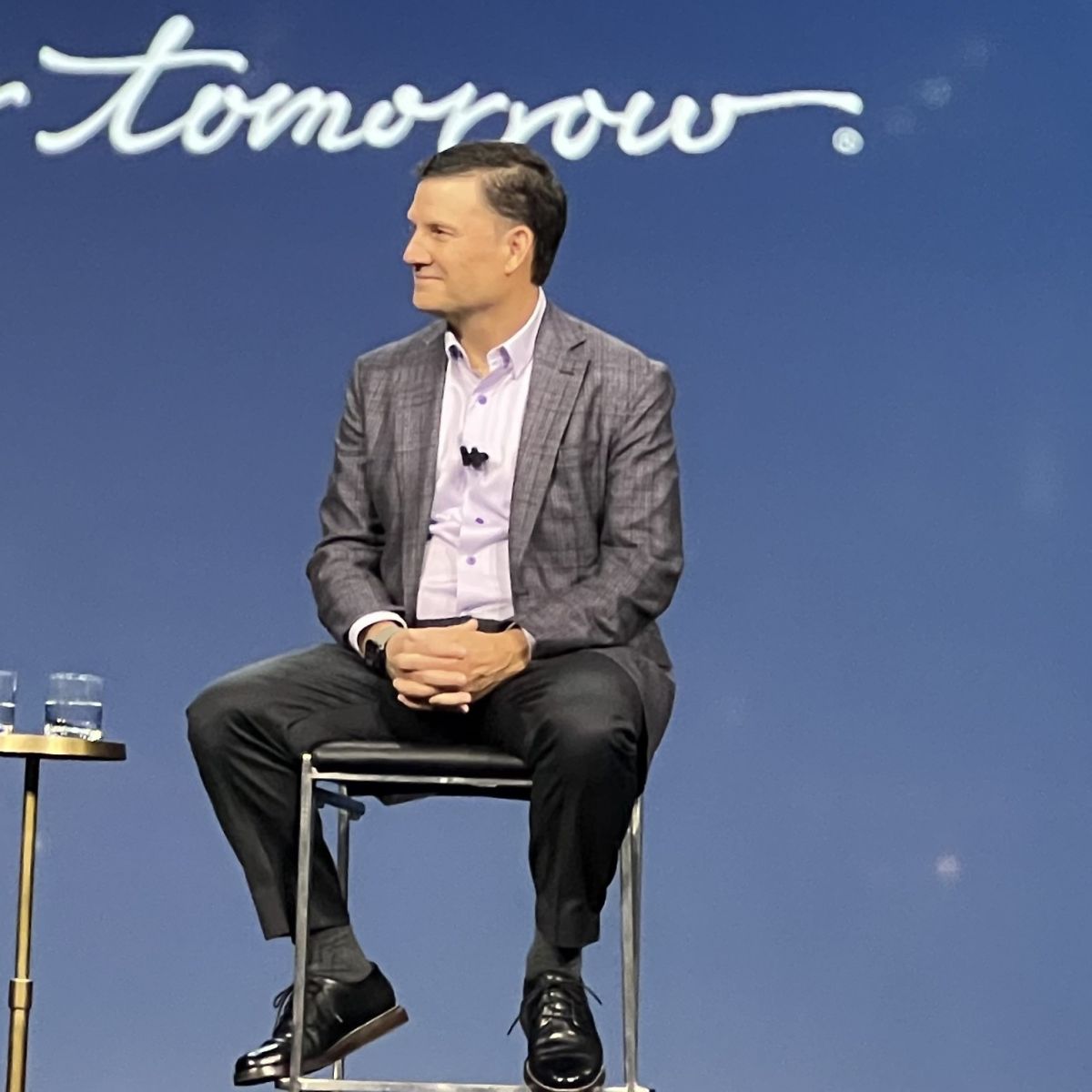
Jon Beatty (pictured above), head of Schwab Advisor Services.
Entry via Altruist
Fidelity and Pershing appear to be treading water. But two new
entrants, Vanguard
and State
Street, while they are a long way from causing any sleepless
nights in Schwab’s executive suite, have definitely gotten the
industry leader’s attention.
In August, Vanguard Group, one of the country’s largest fund managers, bought a majority share in Altruist, an eight-year-old custodian with a stellar reputation as a fintech and AI trailblazer. (See this FWR analysis of that deal.)
Some see the combination of Vanguard’s resources, products and brand name and Altruist’s vaunted tech and AI expertise as a potentially formidable custodial contender.
But others note that Altruist only works with 6,500 mostly smaller RIAs (and won’t disclose their assets) and lacks the scope, scale and capabilities of a Schwab or Fidelity. “There are a lot of gaps in their offering, which is why they’ve had trouble gaining market share, particularly with larger RIA firms,” Joel Bruckenstein (pictured below), president of T3 Technology, said when the Vanguard deal was announced.
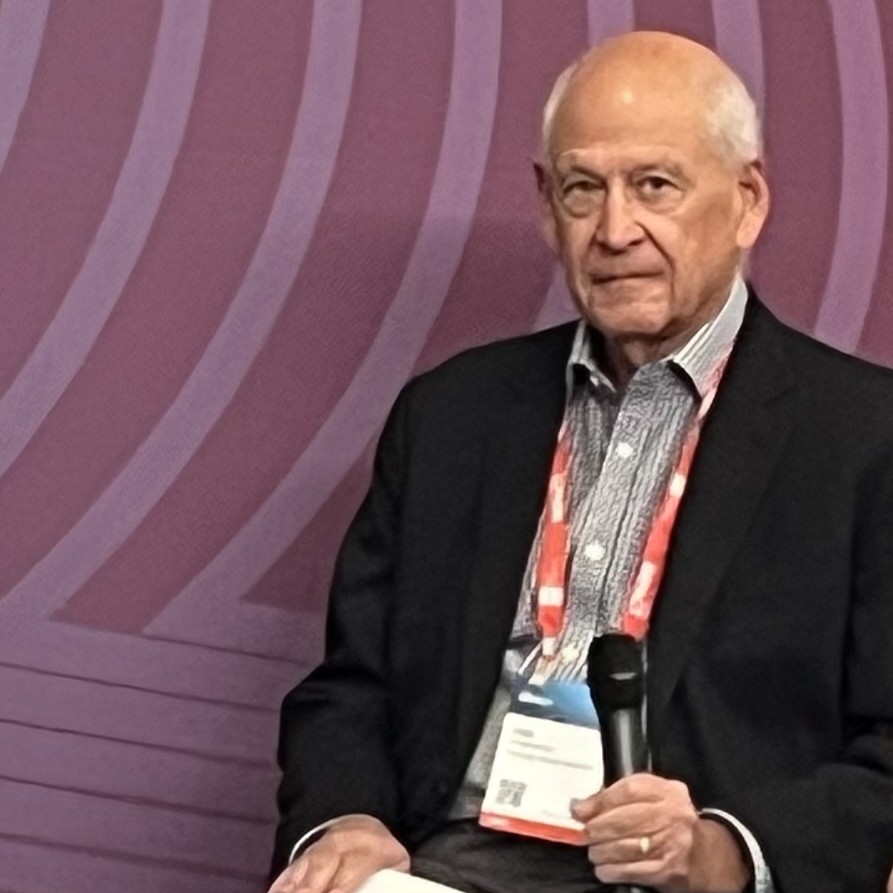
Joel Bruckenstein
What does Vanguard want?
The big question is how much money is Vanguard willing to pump
into Altruist? Former Schwab executive Tim Welsh, president
of Nexus
Strategy, notes that Vanguard has historically been a very
conservative company (Altruist is only the second acquisition in
its 51-year history) and thinks the asset manager may be
content to have bought shelf space for its products with a niche
player.
Dynasty
Financial Partners CEO Shirl Penney (pictured below)
disagrees. Penney notes that Vanguard’s CEO Salim Ramji, hired
just over two years ago, comes from BlackRock, where both he and
the firm were not known for being timid. Growth “is in [Ramji’s]
DNA,” Penney said. “Given the size of their investment, I think
[Vanguard] has a significant ambition for the
business.”
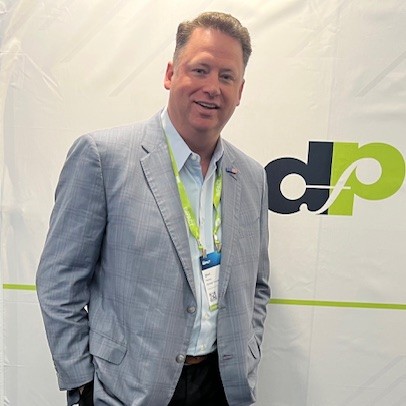
Shirl Penney
“Attractive option” or small player?
Even before Vanguard bought Altruist, AdvizrPro.com, in its
annual analysis of custodians, called Altruist a “standout” among
Schwab’s competitors and said the company’s “innovative
solutions” made Altruist “an attractive option for forward
thinking RIAs.”
But brokerage analyst Steven Chubak, managing director of Wolfe Research, said Vanguard’s purchase does not make Altruist “a meaningful threat” to Schwab. “Altruist remains a small player with limited capabilities and [Schwab] has seen an acceleration in RIA flows. We do not believe this deal meaningfully alters the competitive landscape.”
They’re back!
Then there’s State Street, the giant institutional asset manager
that is re-entering the RIA custodial business after pulling out
five years ago. This time around State Street is partnering with
digital clearing and custody platform Apex Fintech Solutions,
launching State Street Wealth Services last month and targeting
RIAs with $1 billion or more in AuM.
Working closely with Apex CEO Bill Capuzzi, State Street has poached a number of high level custodial executives, including former Altruist head of clearing Jennifer Stokes and former Altruist and TD Ameritrade veteran Pete Dorsey.
State Street’s custodial head John Plansky made no bones about going after what he called “existing legacy business models” in a recent interview with Wealth Management, citing an “inability to support long/short strategies, the changing nature of the referral network programs, the upcharging on certain things. We’re interested in making RIAs happy, not frustrated.”
Can State Street pull it off?
Apex’ digital and AI capabilities and State Street’s vast global
institutional clout, capital and balance sheet
are impressive, industry observers say. But custody is a
sticky business and convincing multi-billion RIAs to spend time
and money switching to a firm that has a track record of having
already thrown in the towel on custody won’t be easy.
Schwab won’t comment directly on competitors but Jon Beatty, head
of Schwab Advisor Services says his company’s “breadth and depth”
is its differentiator in the market and that Schwab is prepared
to “win outsized share of advisor growth.”